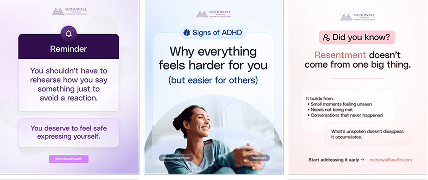


Marriage thrives on communication, trust, and shared responsibility—but when ADHD enters the relationship, these foundations can become strained in ways couples don’t always understand.
ADHD in marriage often goes unrecognized, leading partners to misinterpret symptoms as personality flaws rather than neurological differences. What may look like carelessness, forgetfulness, or lack of effort is often rooted in how the brain processes attention, emotion, and organization.
The good news? With the right understanding and support, couples can shift from frustration to connection.
How Does ADHD Affect Marriage?
ADHD can impact marriage by causing miscommunication, forgetfulness, emotional dysregulation, and uneven responsibility between partners. These challenges often lead to frustration and conflict, but with proper diagnosis, structured strategies, and professional counseling, couples can rebuild trust and improve communication.
What Does ADHD Look Like in a Marriage?
ADHD affects more than just focus—it influences daily interactions, emotional responses, and reliability.
Common signs of ADHD in marriage include:
- Forgetting important dates or responsibilities
- Struggling to complete tasks or follow through
- Interrupting conversations unintentionally
- Emotional overreactions or mood swings
- Chronic disorganization or lateness
Over time, these patterns can create tension and misunderstandings if left unaddressed.
Common ADHD Marriage Problems Couples Face
1. Miscommunication and Conflict
One partner may feel ignored, while the other feels constantly criticized. ADHD can make it difficult to fully process conversations, leading to repeated misunderstandings.
2. The “Parent-Child” Dynamic
In many ADHD relationships, one partner becomes the “responsible one,” while the other struggles with consistency. This imbalance can create resentment and emotional distance.
3. Emotional Disconnection
Emotional dysregulation can cause small disagreements to escalate quickly, leaving both partners feeling hurt and disconnected.
4. Trust and Reliability Issues
Missed commitments may be seen as a lack of care, even when they are symptoms of ADHD.
Why ADHD Often Goes Undiagnosed in Relationships
Many couples spend years struggling without realizing ADHD is at the root of their issues. Instead, behaviors are often labeled as:
- Laziness
- Irresponsibility
- Lack of commitment
- Poor communication
Getting clarity through professional ADHD assessments services can help identify underlying causes and shift the relationship from blame to understanding.
Emotional Impact of ADHD on Both Partners
For the Partner with ADHD:
- Feeling misunderstood or constantly judged
- Guilt from not meeting expectations
- Low self-esteem and frustration
For the Non-ADHD Partner:
- Feeling overwhelmed or unsupported
- Resentment from carrying more responsibility
- Emotional exhaustion
Without awareness, both partners can feel stuck in a cycle of blame and disappointment.
How ADHD Affects Communication in Marriage
Communication is one of the most impacted areas in ADHD relationships.
- Conversations may feel one-sided
- Important details are forgotten
- Interruptions can lead to frustration
- Emotional reactions may escalate quickly
This creates a pattern where both partners feel unheard, even when they care deeply about each other.
How Professional Support Can Help ADHD Couples
ADHD doesn’t have to break a marriage, when addressed properly, it can be managed effectively.
1. Understanding and Awareness
Recognizing ADHD patterns allows couples to stop blaming each other and start working as a team.
2. Structured Relationship Strategies
Working with professionals through affordable therapy services that helps couples:
- Improve communication habits
- Create structured routines
- Develop conflict-resolution skills
- Build empathy and understanding
3. Rebuilding Trust and Connection
Through expert marriage counselling services, couples can restore emotional intimacy, rebuild trust, and strengthen their relationship foundation.
Practical Strategies for Managing ADHD in Marriage
Couples can start improving their relationship with small, consistent changes:
Use Clear Communication
Be direct and specific to avoid misunderstandings.
Create Shared Systems
Use calendars, reminders, and task lists to stay organized together.
Set Realistic Expectations
Understand that ADHD affects behavior—it’s not about intention.
Schedule Weekly Check-Ins
Regular conversations help resolve issues early.
Practice Patience and Empathy
Both partners need understanding and time to adapt.
Can ADHD Be a Strength in Marriage?
While ADHD presents challenges, it can also bring unique strengths into a relationship:
- Creativity and spontaneity
- High energy and enthusiasm
- Innovative problem-solving
When supported with structure and understanding, these traits can enhance connection rather than disrupt it.
Conclusion: Building a Stronger Marriage with ADHD
ADHD in marriage can create confusion, conflict, and emotional distance—but it doesn’t have to define your relationship.
With proper understanding, the right support, and intentional effort, couples can move from frustration to partnership. The key is not to blame, but to understand—and to work together toward a healthier, more connected future.
If ADHD is affecting your relationship, getting the right support can make all the difference. With proper guidance, couples can improve communication, reduce conflict, and rebuild a stronger emotional connection.
Frequently Asked Questions (FAQs)
How does ADHD affect marriage?
ADHD can affect marriage by causing miscommunication, forgetfulness, emotional outbursts, and uneven distribution of responsibilities. These challenges can lead to frustration and conflict if not properly understood and managed.
Can ADHD ruin a relationship?
ADHD itself does not ruin relationships, but unmanaged symptoms can create ongoing tension. With proper support, awareness, and strategies, couples can build strong and healthy relationships despite ADHD.
What are common ADHD marriage problems?
Common ADHD-related marriage issues include poor communication, missed responsibilities, emotional dysregulation, lack of follow-through, and the development of a “parent-child” dynamic between partners.
How can couples manage ADHD in a relationship?
Couples can manage ADHD by improving communication, using structured systems like reminders and calendars, setting realistic expectations, and seeking professional help such as therapy or counseling.
Should couples seek professional help for ADHD-related issues?
Yes, professional support can be very helpful. Services like ADHD assessments services, therapy for ADHD, and counseling help couples understand ADHD patterns and develop healthier ways to communicate and connect.
Can ADHD be diagnosed later in life and affect marriage?
Yes, many adults are diagnosed with ADHD later in life. A late diagnosis can significantly impact a marriage by helping both partners understand past challenges and improve future interactions.
How does ADHD affect communication in relationships?
ADHD can lead to interruptions, difficulty listening, forgetting conversations, and emotional overreactions. These patterns can make communication feel frustrating for both partners.
Is it possible to have a happy marriage with ADHD?
Absolutely. With awareness, patience, and the right strategies, couples can build a fulfilling and supportive relationship. ADHD can even bring strengths like creativity and spontaneity into the marriage.
When should couples consider counseling for ADHD?
Couples should consider counseling when they experience ongoing conflict, communication breakdowns, emotional distance, or frustration related to ADHD symptoms.
What is the best treatment approach for ADHD in relationships?
The best approach includes a combination of proper diagnosis, structured coping strategies, and professional support such as therapy and counseling tailored to ADHD-related challenges.