
Table of Contents
Relationships can bring a lot of happiness, but they can also be tough sometimes. Even strong couples can run into problems like miscommunication, trust concerns, or changes in life. If you’re having a hard time, searching for “relationship counseling near me” or “relationship therapy near me” can be a helpful first step to get back on track together.Relationship counseling, sometimes called couples therapy, is when you meet with a trained professional to talk about your issues and work through them as a team. Below, we’ll look at what relationship counseling is, what it helps with, and how it can benefit you and your partner.
What Is Relationship Counseling?
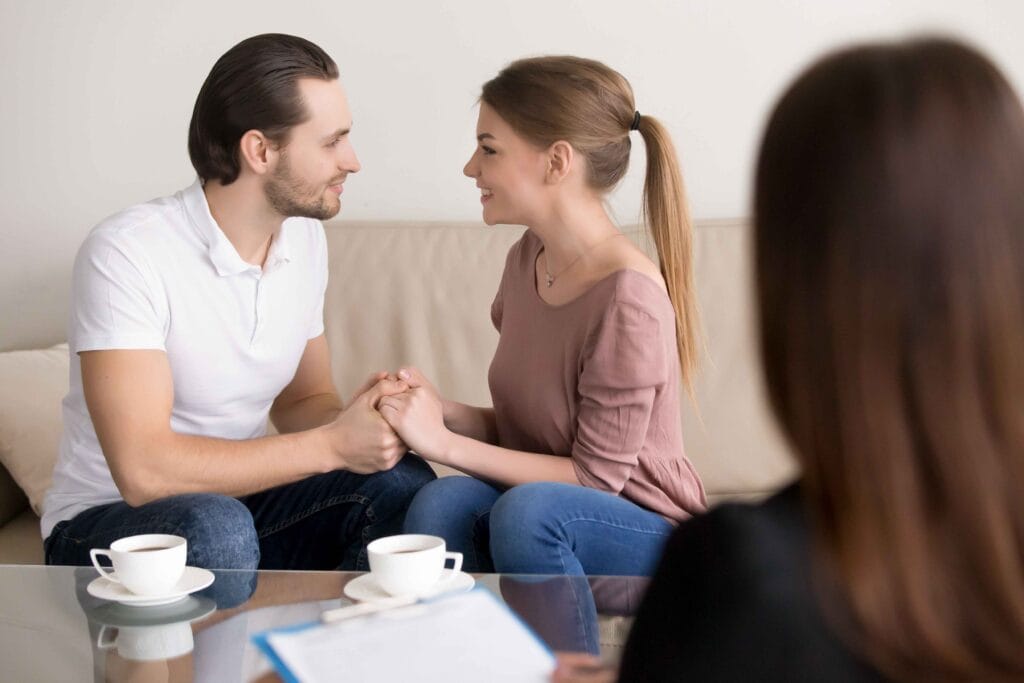
Relationship counseling is a type of therapy meant to help people improve how they relate to each other. It’s not just for couples—you can go with a family member or even a close coworker or friend. A therapist creates a safe space for everyone to talk about their worries, work through disagreements, and find better ways to get along.A relationship counselor helps you and your partner figure out where things aren’t working, how to communicate better, and how to solve problems together. Whether you’re looking for someone nearby or want to try online therapy, there are options to fit your needs.How Does Relationship Counseling Work?
Usually, relationship counseling steps include:- Getting to Know You
- Talking Things Through
- Learning New Skills
- Using What You Learn
Who Can Benefit from Relationship Counseling?
Anyone can benefit if they’re facing ongoing problems or just want their relationship to be healthier. Some common reasons people go to counseling are:- Arguments or misunderstandings that keep happening
- Trust issues or dealing with cheating
- Feeling distant emotionally or physically
- Stress related to parenting
- Big life changes like moving or new jobs
Common Issues Relationship Counseling Helps With
Each relationship is different, so counseling is personalized to what you need. Here are some things counseling can help with:1. Communication Problems
Misunderstandings and bad communication can cause distance and frustration. Counseling teaches couples to:- Listen more fully
- Share their feelings calmly
- Talk about tough topics without blaming
2. Solving Arguments
Disagreements are normal but how you handle them matters. Counseling can stop fights from repeating and show you both how to problem-solve calmly.3. Rebuilding Trust
Trust can be shaken by lying, cheating, or broken promises. Counseling gives you a way to talk openly, recognize hurts, and make steps to rebuild trust.4. Life Changes
Big events—like becoming parents, retiring, or moving—can make things harder. Counseling helps you work as a team to handle changes.5. Intimacy & Connection
Sometimes couples drift apart. Counseling can help you reconnect emotionally and physically by sorting out hidden feelings and finding ways to spend quality time together.Benefits of Relationship Counseling
Going to counseling isn’t just about fixing problems now—it’s about learning how to have a happy relationship for years to come. Here’s how relationship counseling can help:1. Talk Better
You’ll learn ways to talk through tough issues and actually understand each other.2. Get Closer
Counseling helps you build a stronger emotional bond and more trust.3. Handle Conflicts Well
You’ll pick up skills to argue less and solve problems faster, with less hurt.4. Bring Back the Spark
Therapy can remind you why you got together in the first place and help you feel more connected.5. Fix Trust
You’ll work on being honest and trusting each other again if trust was lost.6. Prevent Problems
Even if things are good, counseling can give you tools to keep your relationship strong in the future.How to Start Relationship Counseling
Taking the first step can be scary, but it’s a positive move for your relationship. Here’s how to begin:- Look for a Counselor
- Check Qualifications
- Make a Commitment
Questions to Ask a Potential Therapist
Ask these when you’re thinking about who to work with:- What’s your approach to helping couples?
- How do you adapt your sessions to our specific situation?
- Do you provide sessions online or face-to-face?
- Is your method based on research and proven to work?